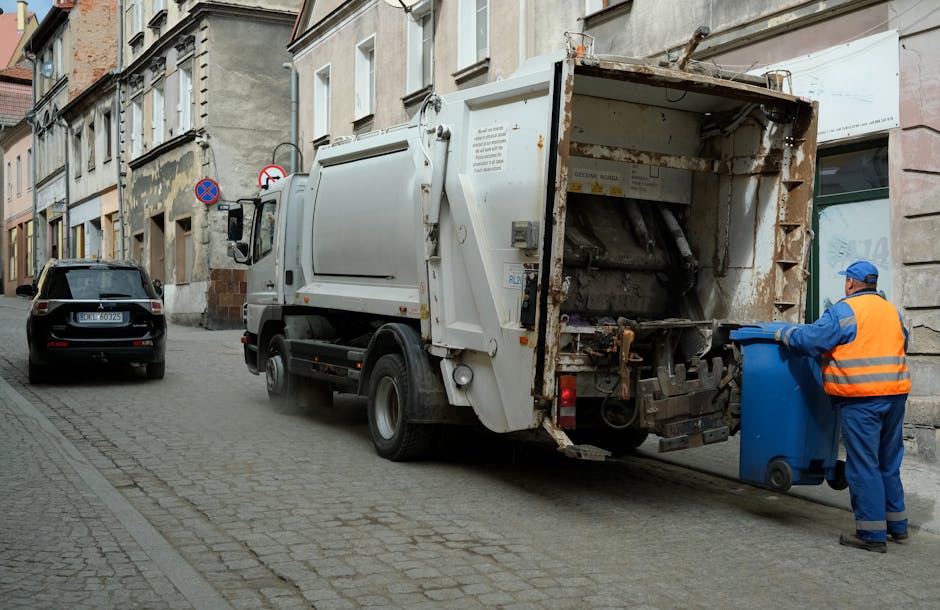
Gants Hill household rubbish removal guide Ilford
Posted on 21/06/2026
If you live in Gants Hill and your home has started to feel a bit overrun by old furniture, bagged-up clutter, broken appliances, or the usual "I'll deal with that later" pile, you are in the right place. This Gants Hill household rubbish removal guide Ilford is designed to help you clear domestic waste properly, avoid common mistakes, and choose the smartest route for your situation. It is not always about a huge house clearance either; sometimes it is a single mattress, a pile of garden cuttings, or a loft full of boxes that has quietly taken over the spare room.
To be fair, rubbish removal sounds simple until you are standing there wondering what can go in the van, what should be recycled, and what is safest to leave to a professional team. That is exactly where a clear guide helps. Below, you will find practical steps, local considerations, compliance points, and a realistic look at the options available in and around Gants Hill and Ilford.
Expert summary: The best household rubbish removal is the one that is safe, lawful, tidy, and suited to the amount of waste you actually have. Start with sorting, choose the right disposal route, check who you are hiring, and keep recycling in mind where possible.

Why Gants Hill household rubbish removal guide Ilford Matters
Household rubbish removal is one of those jobs that looks easy from across the room. Then you start moving things and realise there are layers to it: mixed materials, awkward lifting, disposal rules, limited vehicle space, and the clock ticking if you need the area clear by a certain day. In a busy part of Ilford, that can matter quite a lot.
Gants Hill homes often have a mix of older storage spaces, flats with tighter access, family houses with lofts and sheds, and the kind of domestic clutter that builds gradually. One broken wardrobe becomes two broken chairs, then a washing machine that has been waiting for a proper goodbye since last winter. It happens. Most households do not need drama; they need a straightforward, well-organised clearance plan.
There is also a trust element. If waste is handled badly, it can lead to fly-tipping, blocked access, damaged communal areas, or awkward conversations with neighbours and landlords. That is why using a lawful, sensible household rubbish removal approach is more than just convenience. It protects your home, your time, and your peace of mind.
For readers who want a broader view of local life and why area-specific planning helps, the article Ilford living from a local perspective gives useful context, while experience the charm of Ilford in London touches on the wider local setting.
How Gants Hill household rubbish removal guide Ilford Works
At its core, household rubbish removal is the process of collecting unwanted domestic waste, loading it safely, transporting it, and sending it to the appropriate disposal or recycling route. That can include general rubbish, bulky items, mixed household clutter, old furniture, broken appliances, and lighter renovation leftovers from home projects. The exact method depends on what you have and how quickly you need it gone.
In practice, there are usually three ways people handle it:
- Self-clearance: you sort, bag, lift, and take waste away yourself.
- Local council or scheduled disposal route: suitable for some items, but often slower and less flexible.
- Professional rubbish removal service: best when you want the waste removed quickly, safely, and with minimal disruption.
For many homes in Gants Hill, the professional route makes the most sense when the waste is bulky, heavy, mixed, or simply too awkward to manage in one go. You will notice the difference most when access is tight, stairs are involved, or the waste has been sitting in a loft, garage, or garden for months. Suddenly, a "small job" becomes a full morning.
If your waste includes furniture, white goods, or mixed domestic rubbish, it helps to understand the relevant service categories. The pages on domestic waste collection in Ilford, furniture disposal in Ilford, and white goods and appliance disposal in Ilford are especially useful if you want the job handled by item type rather than as one large mixed load.
Key Benefits and Practical Advantages
The biggest benefit is obvious: your space becomes usable again. But the real value goes beyond having a clearer hallway or a less chaotic garden. Good rubbish removal brings order, reduces stress, and prevents waste from lingering long enough to become a bigger problem.
- Less physical strain: no heavy lifting on your own, no dragging awkward items down stairs if you do not need to.
- Faster turnaround: useful before a move, after a tenancy ends, or ahead of a clean-up deadline.
- Better recycling outcomes: suitable items can be separated rather than bundled into one mixed pile.
- Cleaner presentation: helpful if you are preparing a property for sale or rent.
- Fewer compliance worries: a proper carrier should handle waste lawfully and responsibly.
There is also a less obvious benefit: decision fatigue drops. Once the rubbish is gone, the room feels different. That spare room starts looking like a spare room again, not a storage annex. Even the air feels lighter, a bit less dusty, a bit more manageable. Small win, but still a win.
If the clearance is linked to a property move or investment work, the local guides on selling properties in Ilford and Ilford property investment for buyers can help you see how good clearance fits into wider property planning.
Who This Is For and When It Makes Sense
This kind of service is not just for people with dramatic clear-outs. In reality, it suits a wide range of everyday situations.
- Families clearing out old toys, broken furniture, or accumulated loft items.
- Tenants moving out and needing to leave a property tidy.
- Landlords dealing with leftover household waste after a tenancy ends.
- Homeowners preparing for decorating, repairs, or estate agent photos.
- People clearing a garage, shed, loft, or understairs cupboard that has become a storage black hole.
- Anyone with bulky items that are awkward to move safely.
It also makes sense when time is tight. Maybe you have guests coming at the weekend, maybe the builders are due Monday morning, or maybe you just cannot face another trip up and down the stairs with a broken desk. Honestly, who can blame you?
If you are dealing with a more specific type of clearance, it is worth looking at the right service rather than forcing everything into one category. For example, house clearance in Ilford is better for fuller domestic clear-outs, while loft clearance in Ilford suits stored items that have been forgotten for years. For bigger mixed loads, waste removal in Ilford is often the broader option.
Step-by-Step Guidance
Here is a practical way to approach household rubbish removal without making it harder than it needs to be.
- Walk the property and identify the waste. Separate general rubbish, furniture, electrical items, garden waste, and anything hazardous or restricted.
- Decide what stays and what goes. Be ruthless, but sensible. If something is usable, donate or repurpose it where possible.
- Group items by type and access point. Put bags together, furniture together, and fragile items away from the main route. This saves time on collection day.
- Check for awkward items. Mattresses, fridges, freezers, wardrobes, and broken white goods often need extra handling.
- Measure access. Stairs, narrow hallways, low ceilings, or parking restrictions can all affect how the job is planned.
- Choose the disposal route. Self-clear, council route, or professional service depending on volume, speed, and safety.
- Confirm what is included. Ask whether loading, lifting, sweeping, or sorting is part of the service. That detail matters more than people think.
- Prepare the area. Move pets, protect flooring if needed, and keep a clear path to the waste.
- Check the result. Make sure nothing has been left behind and that the space is tidy enough for the next job.
A simple rule helps here: if you would not comfortably carry it downstairs alone, do not gamble with it. Back strain is a terrible trade for saving twenty minutes.
Expert Tips for Better Results
After seeing all sorts of domestic clearances, a few habits consistently make the process smoother.
- Do a pre-sort before collection. Separate recyclable items where you can. It makes the load cleaner and often cheaper to process.
- Label what must stay. In family homes or shared spaces, a simple marker or note avoids accidental removal. Sounds obvious. Still gets missed.
- Keep one clear route. If the team can move from the waste to the vehicle without stepping over boxes, the job usually runs more smoothly.
- Photograph bulky items. This helps when describing the job for a quote, especially for awkward furniture or mixed waste.
- Book with a little buffer. If the waste is linked to a move or renovation, allow extra time. Delays happen, and clutter has a habit of breeding when you are not looking.
One practical observation: people often underestimate mixed loads. A few black bags, a chair, and a broken shelf sounds minimal. Then there is a mattress, half a shed, and a dead freezer lurking behind the bins. By late afternoon, it is a different story.
If you are planning a larger home clear-out, furniture removal in Ilford can be a better fit for bulky items, while garden waste removal in Ilford is the sensible choice for green waste, branches, soil bags, and outdoor debris.

Common Mistakes to Avoid
Let's face it, most clearance headaches come from trying to save time in the wrong place. A few mistakes show up again and again.
- Mixing everything together. It can make recycling harder and slow the job down.
- Leaving heavy lifting until the last minute. Suddenly moving a wardrobe in a rush is how people get hurt.
- Ignoring access issues. Tight parking or stair access can completely change how the removal needs to be handled.
- Choosing the cheapest option without checking credentials. If someone cannot explain how the waste will be handled, that is a red flag.
- Forgetting about electrical or appliance items. White goods are not the same as normal household rubbish.
- Assuming everything can go in one pick-up. Sometimes a split load or separate service is simply the smarter option.
There is a slightly awkward but important point here: cheap rubbish removal can become expensive if waste is dumped improperly and traced back to you. Not fun. Not worth it. Better to ask the right questions upfront.
Tools, Resources and Recommendations
You do not need much in the way of special equipment for a basic household clear-out, but a few simple tools and habits can make a difference.
| Item or resource | Why it helps | Best used for |
|---|---|---|
| Heavy-duty bin bags | Useful for loose domestic waste and smaller items | General rubbish, textiles, light clutter |
| Labels or tape | Prevents accidental removal | Shared homes, move-outs, mixed rooms |
| Gloves and sturdy shoes | Reduces risk from sharp edges and dirty surfaces | Any sort of sorting or moving |
| Measuring tape | Checks whether bulky items will fit through access routes | Furniture, wardrobes, appliances |
| Photo notes on your phone | Makes quoting more accurate | Unknown volumes, multi-room clearances |
For a broader overview of service categories, the services overview is a sensible place to start. If you are comparing costs and booking conditions, the pages on pricing and quotes, payment and security, and insurance and safety are worth a look. For trust and legal reassurance, waste carrier licence and compliance is particularly relevant.
Law, Compliance, Standards, or Best Practice
Household rubbish removal is one of those areas where a little due diligence goes a long way. In the UK, waste must be handled responsibly, and it is sensible to use a carrier who can explain how waste is collected, transported, and processed. You do not need to become an expert in legislation, but you should expect transparency.
Good practice usually includes:
- clear identification of what is being removed
- safe handling of bulky or sharp items
- proper segregation where practical
- lawful transport and disposal
- basic respect for property, neighbours, and shared spaces
For domestic customers, the main takeaway is simple: know who is taking your waste, and make sure they look professional enough to explain where it goes. If a service seems vague about disposal or avoids talking about compliance, pause. That is not fussy. That is sensible.
It is also worth noting that some items need special handling, especially electrical appliances and large furniture. The right provider should be able to guide you on this without making it complicated. No drama, no jargon. Just clear answers.
Options, Methods, or Comparison Table
Choosing the right method depends on time, volume, access, and how much work you want to do yourself. Here is a straightforward comparison.
| Method | Best for | Pros | Trade-offs |
|---|---|---|---|
| Self-clearance | Small loads and people with a vehicle | Can feel cheaper upfront, full control | Heavy lifting, time-consuming, multiple trips |
| Scheduled council-style disposal route | Non-urgent items and residents who can wait | Useful for certain items, familiar process | Less flexible, may not suit bulky mixed waste |
| Professional household rubbish removal | Bulky, mixed, urgent, or awkward domestic waste | Fast, practical, reduced strain, often tidier outcome | Usually costs more than doing it yourself |
For many households, the decision comes down to convenience versus effort. If you only have two bags, self-clearance may be fine. If you have a mix of furniture, bags, and old appliances, the professional route usually wins without much argument.
For more local reading on collection timing and access around busier parts of the area, see rubbish removal Ilford High Road tips and times and same-day rubbish collection near Ilford Station.
Case Study or Real-World Example
Here is a realistic example. A family in Gants Hill was clearing a spare room before a new baby arrived. The room had a broken chest of drawers, three large bags of mixed household rubbish, an old chair, a dismantled shelving unit, and a stack of boxes that had been moved from room to room for years. Nothing dramatic. Just one of those quietly overwhelming jobs.
The problem was access. The room was on an upper floor, the hallway was narrow, and the family did not want to spend a Saturday shuttling items out in bits. They started by sorting keep, donate, and remove piles. Then they placed all remove items in one area close to the entrance, moved fragile items away, and took photos of the bulky pieces so the clearance could be planned properly.
On collection day, the waste was removed in one visit, the route was kept clear, and the space was left ready for decorating. The practical win was obvious. But the emotional one mattered too. They were not just "getting rid of stuff"; they were getting the room back. That sounds sentimental, maybe, but home spaces do affect how a house feels.
If the clear-out is tied to a bigger move or renovation, it is often worth thinking about the whole picture. A little planning saves a lot of rushing later.
Practical Checklist
Use this checklist before you book or begin any household rubbish removal in Gants Hill.
- List all items you want removed.
- Separate general waste from furniture, appliances, and garden waste.
- Check whether anything is reusable, sellable, or donate-worthy.
- Measure large items and note narrow hallways, stairs, or parking restrictions.
- Take photos of bulky or awkward items.
- Confirm whether loading and lifting are included.
- Ask how the waste will be handled and whether the carrier is compliant.
- Clear a route to the waste if possible.
- Protect floors or walls if the access route is tight.
- Keep pets and children safely away during collection.
- Check that the area is left tidy afterwards.
Quick reminder: if a job feels too big, too heavy, or too messy to tackle safely, that is usually a sign to bring in help rather than power through it.
Conclusion
Household rubbish removal in Gants Hill does not need to be complicated, but it does need to be done properly. The best results come from a simple combination of sorting, planning, safe handling, and choosing the right disposal route for the amount and type of waste you have. Whether you are clearing a single bulky item or dealing with a full domestic clear-out, a steady approach will save you time and stress.
It also helps to think locally. Gants Hill and the wider Ilford area have a mix of property types, access challenges, and busy schedules, so a one-size-fits-all method rarely works brilliantly. A tailored, practical approach usually does. Nothing flashy. Just effective.
If you want to compare options, understand what is included, or make sense of a mixed domestic load, start by reviewing the relevant service information and choose the route that matches your home, your timeline, and your comfort level.
Get a free quote today and see how much you can save.
And if you are midway through a clear-out right now, take a breath. One room at a time is still progress. Sometimes that is all you need.